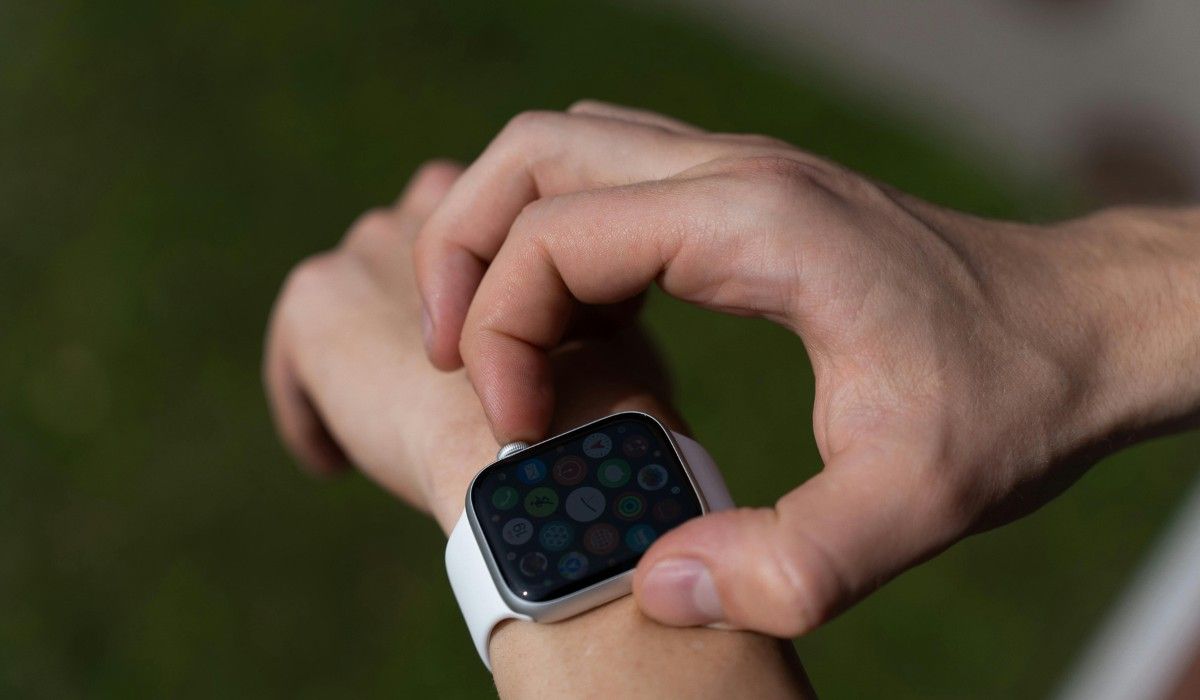
Wearable technology is evolving rapidly. As sensors get smaller, AI gets smarter, and integration becomes more seamless, wearables are transforming from fitness gadgets into powerful medical tools. Here’s a look at some of the most exciting and cutting-edge innovations in wearable health monitoring right now.
1. Non-Invasive Continuous Glucose Monitoring (CGM)
One of the biggest breakthroughs is in glucose monitoring:
- Optical Sensors in Sweat: Researchers are developing wearable optical sensors — for example, watches with plasmonic nanopillars — that use light to detect glucose levels in sweat. This lets users monitor blood sugar without needles.
- Electrochemical Skin Patches: Another innovation uses a heterostructure of black phosphorus and graphitic carbon nitride to detect glucose via a microfluidic patch. This patch reads sweat glucose in real time using an electrochemical method, and it includes an NFC chip that transmits data wirelessly.
- These technologies could make glucose monitoring far more comfortable and accessible, especially for people with diabetes or prediabetes.
2. AI-Powered Health Insights & Anomaly Detection
Wearables are increasingly using AI to turn raw health data into actionable insights:
- Advanced algorithms analyze continuous sensor data to detect subtle deviations from a person’s normal physiology — not just based on preset limits, but on personalized baselines.
- These AI-driven systems can predict health risks early, suggest lifestyle changes, and potentially alert users or clinicians to issues before symptoms appear.
- For example, AI is being used to support mental wellness by measuring stress (via heart-rate variability, skin conductance) and prompting real-time interventions like breathing exercises.
3. Ultra-Thin Skin Patches & Biosensors
Next-gen skin patches are no longer simple trackers — they’re becoming full diagnostic platforms:
- Lab-on-a-Patch: A startup has developed a DNA-based biosensor patch that continuously monitors multiple biomarkers (not just glucose) from sweat or interstitial fluid.
- AI-Embedded Flexible Patches: These ultra-thin patches adhere to the skin comfortably and monitor vital signs like hydration, stress hormones, skin temperature, and more.
- Such patches enable long-term, non-invasive health tracking ideal for chronic disease management and remote care.
4. Smart Textiles & E-Textile Wearables
Wearable health is going beyond wrist devices — now, it’s woven into what we wear:
- Smart fabrics are embedded with sensors that can track heart rate, respiration, posture, and muscle activity.
- These textiles make health monitoring more natural: your workout shirt or pajamas can become health trackers without you even noticing.
5. Wearable Neuromodulation Devices
Beyond monitoring, some wearables are starting to treat:
- Devices for non-invasive neuromodulation, including wearable vagus nerve stimulators, are being developed for therapeutic use.
- For instance, a wearable ear-clip can stimulate the vagus nerve to potentially help with stress, inflammation, and mood.
6. Medical-Grade Smartwatches
Smartwatches are leveling up in clinical precision:
- Devices like Masimo W1 Medical Watch can continuously monitor SpO₂ and pulse rate with very high sampling rates (tens of thousands of measurements per day), offering medical-grade accuracy.
- Companies are also integrating cardiovascular risk algorithms: for example, Samsung is reportedly working on a feature to detect early signs of heart failure in Galaxy Watches via PPG and AI.
- On the performance side, newer WHOOP devices (WHOOP 5.0 / MG) come with on-demand ECG, blood pressure insights, and very long battery life (14 days), making them more capable for both health and fitness monitoring.
7. Mental Health & Brain Monitoring Wearables
Mental well-being is a growing focus for health wearables:
- Wearables now measure physiological signals like skin conductivity, heart rate variability, and neural activity to infer stress, anxiety, or fatigue.
- Some devices even use EEG or other brain-sensing technology to detect mood shifts and suggest interventions like breathing exercises or guided meditation.
- These innovations make mental health support more proactive and accessible.
8. Energy-Efficient, Ultra-Low Power Sensor Systems
Battery life remains a challenge, but new research is addressing this:
- A novel system uses compressed sensing combined with intelligent sensor configuration to minimize data transmission and dramatically reduce power consumption.
- This allows wearables to run longer on small batteries, making continuous health monitoring more practical.
Why These Innovations Are Important
- Early Detection: With non-invasive glucose sensors and AI-based anomaly detection, wearables can identify health risks before they become serious.
- Better Chronic Disease Management: People with conditions like diabetes or hypertension can benefit from continuous, accurate, and comfortable monitoring.
- Remote Healthcare: Ultra-thin patches and smart fabrics make it easier for clinicians to monitor patients outside clinics.
- Holistic Health: Wearables are no longer just about steps and workouts — they support mental wellness, stress management, and recovery.
- Improved User Adoption: Comfort, design, and battery life improvements make it more likely people will wear these devices consistently.
Examples of Cutting-Edge or Emerging Wearables
Here are some current or upcoming devices that reflect these innovations:
- Samsung Galaxy Ring — A compact ring that tracks sleep, heart rate, and other biometrics with a form factor that’s less intrusive than a watch.
- WHOOP 4.0 CR7 Band — A performance and recovery wearable that uses heart rate variability, sleep, and strain metrics; newer WHOOP 5.0 builds on this with even more clinical-style features.
- Amazfit Balance Smart Watch — A smartwatch offering a wide range of health tracking metrics (depending on model), illustrating how smartwatches remain a key wearable form factor.
Challenges & Considerations
While these innovations are promising, several challenges remain:
- Regulatory Approval: New medical-grade wearables need to satisfy regulatory standards (FDA or equivalent) before they can be used in clinical settings.
- Data Privacy & Security: As devices collect sensitive biometric data, strong encryption and secure data handling are essential.
- Battery & Power: High-frequency monitoring and data transmission can drain batteries quickly — minimizing energy consumption is critical.
- User Adoption: Comfort, usability, and design matter — if wearables are cumbersome, people won’t wear them consistently.
- Validation & Accuracy: New biosensors (especially non-invasive ones) must be thoroughly validated against gold-standard medical devices.
What’s Coming Next
Based on current research and product roadmaps, here’s what we’re likely to see in the near future:
- Fully non-invasive multi-biomarker patches: Patches that can monitor several health metrics (glucose, stress markers, inflammation) in real time.
- Smart clothing becoming mainstream: Everyday clothes with embedded sensors for health tracking, recovery, and posture.
- Wearable neurotherapy: Devices that don’t just sense but also treat (neurostimulation, biofeedback) for stress, mood, or brain health.
- Integrated health ecosystems: Wearables will work seamlessly with telehealth platforms, EHR systems, and doctor dashboards.
- Predictive health coaching: AI agents on your wearable might predict risk and suggest behavioral interventions before problems escalate.
Conclusion
The future of wearable technology in health monitoring is not just about tracking steps — it’s about continuous, clinical-grade health insights, early risk detection, and even therapeutic intervention. From non-invasive glucose sensors to smart fabrics, AI-driven anomaly detection, and ultra-low-power designs, wearables are quickly becoming powerful health companions.
These innovations promise to make healthcare more proactive, personalized, and accessible. As this field matures, wearables will likely play an increasingly central role in how we manage and understand our health.
Visit The Insight Vision Magazine For More Articles