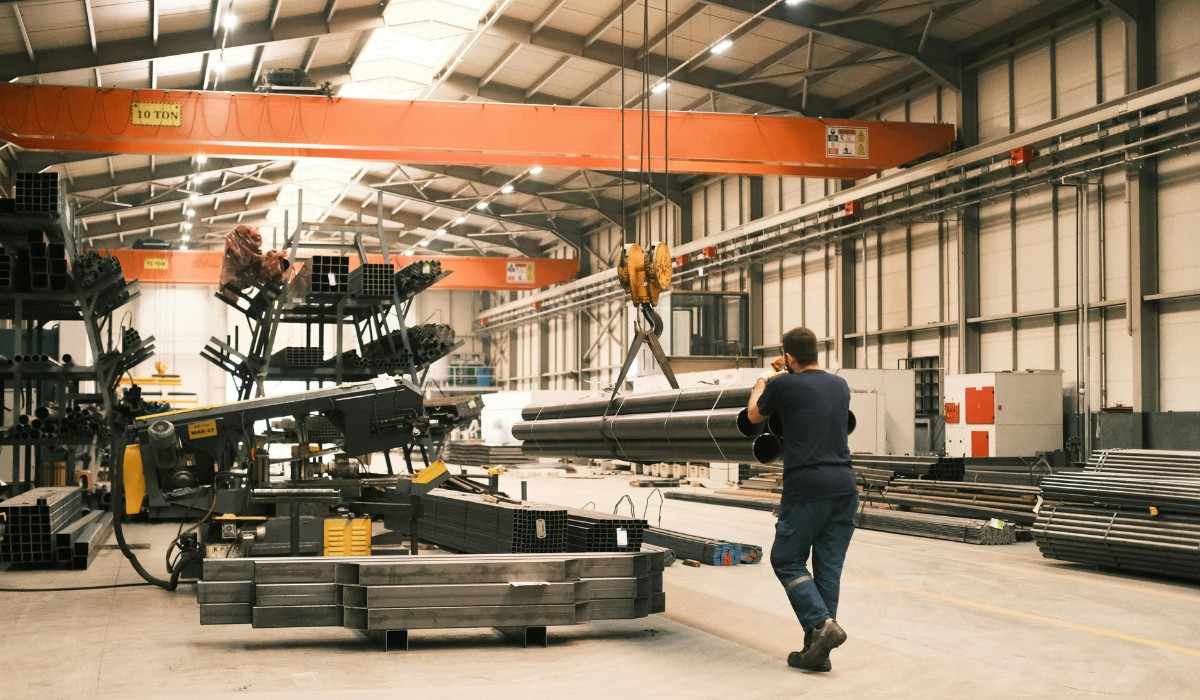
Automation has revolutionized the manufacturing industry by replacing repetitive manual tasks with advanced machines, robotics, and smart systems. Today, factories across the world use automation to improve efficiency, reduce costs, and stay competitive in fast-changing markets. From automotive to electronics to food production, automated technologies have become a key driver of innovation and growth.
Below are the major benefits of automation in manufacturing industries.
1. Increased Productivity and Output
One of the biggest advantages of automation is the significant boost in production capacity. Machines can work much faster than humans and operate continuously without breaks.
How automation boosts productivity:
- Machines can run 24/7
- Faster cycle times
- High-speed processing
- Reduced downtime with predictive maintenance
With automation, manufacturers can produce larger quantities in less time, helping meet growing market demands.
2. Improved Product Quality and Consistency
Human error is natural and unavoidable, especially in repetitive tasks. Automation reduces these errors by ensuring the same process is followed accurately every time.
Quality benefits include:
- Consistent product dimensions and performance
- Precise measurements and automated inspections
- Reduced defects and rework
- Better customer satisfaction
Automation systems maintain strict quality standards, improving product durability and reliability.
3. Lower Operational Costs
Although the initial investment in automation may seem high, it pays off in the long run by reducing daily operating costs.
Cost savings come from:
- Lower labor costs for repetitive tasks
- Reduced waste and material usage
- Fewer errors that require expensive corrections
- Lower energy consumption from smart machines
Automation leads to greater efficiency, resulting in significant cost reductions over time.
4. Enhanced Worker Safety
Industrial environments can involve dangerous tasks such as heavy lifting, exposure to chemicals, or operating high-speed machinery. Automation reduces the risk of workplace injuries.
Safety improvements include:
- Robots handle hazardous tasks
- Automated systems minimize human involvement in risky areas
- Sensors and safety controls prevent accidents
- Lower physical strain on workers
This creates a safer, healthier work environment for employees.
5. Better Use of Human Talent
Automation does not replace human workers; it frees them from repetitive tasks so they can focus on higher-value responsibilities.
Human talent can shift to:
- Monitoring and supervising automated systems
- Problem-solving and quality control
- Innovation and process improvement
- Technical roles such as programming and maintenance
This enhances job satisfaction and increases employee productivity.
6. Faster Production and Shorter Lead Times
Customers today expect faster delivery and shorter production cycles. Automation helps companies meet these demands.
Benefits include:
- Reduced time between order and delivery
- Quicker setup and changeovers
- Streamlined workflows
- Faster reaction to market changes
Automation enables manufacturers to respond quickly to customer needs.
7. Increased Flexibility and Scalability
Modern automation systems are designed to be flexible. They can be adjusted to produce different products or handle changes in production volume.
Automation supports:
- Quick reprogramming of robots
- Adaptability to new product designs
- Easy scaling during peak seasons
- Faster integration of new technologies
Flexible automation helps manufacturers stay competitive in dynamic markets.
8. Real-Time Data and Improved Decision-Making
Smart machines and sensors collect valuable data during production. This real-time information helps leaders make better decisions.
Data-driven benefits:
- Monitor machine performance
- Predict maintenance needs
- Track production trends
- Improve planning and scheduling
- Reduce downtime
Automation helps companies make informed, data-backed decisions that improve efficiency.
9. Reduced Material Waste
Automation ensures precise control over materials, reducing unnecessary waste and saving costs.
Waste reduction benefits:
- Accurate cutting, shaping, and mixing
- Less scrap material
- Improved inventory management
- Better resource allocation
This supports both profitability and sustainability goals.
10. Enhanced Customer Satisfaction
When production is faster, more consistent, and more reliable, customers receive better products on time.
Customer benefits include:
- Higher-quality products
- Faster delivery
- More consistent performance
- Improved reliability and longevity
Automation directly contributes to stronger brand trust and customer loyalty.
Conclusion
Automation has become a vital component of modern manufacturing. It boosts productivity, improves quality, reduces costs, enhances safety, and promotes innovation. As technology continues to evolve—through AI, robotics, IoT, and smart sensors—automation will play an even greater role in shaping the future of the manufacturing industry.
Visit The Insight Vision Magazine For More Articles