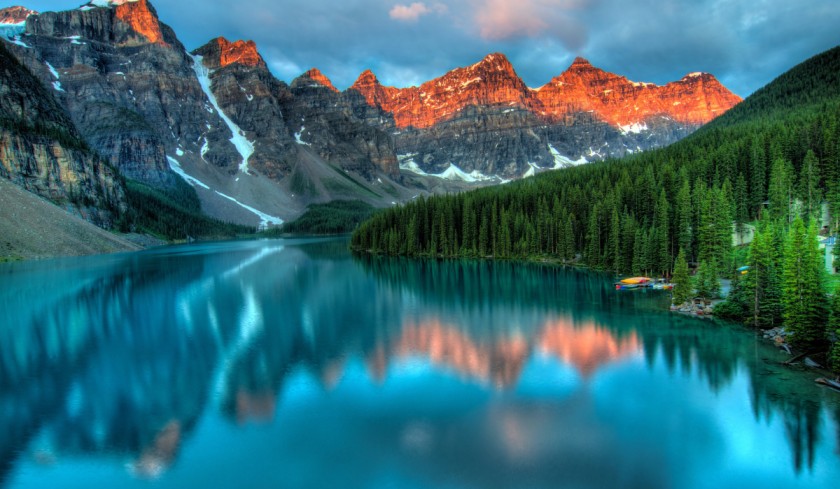
When we think of Earth’s natural wonders, lakes often take a quiet back seat to mountains and oceans. But some of the largest lakes in the world are so vast that they look like inland seas — shaping ecosystems, powering economies, and providing fresh water to millions. From the immense Caspian Sea to the deep Lake Baikal, these natural giants reveal how awe-inspiring our planet truly is.
In this article, we’ll dive into the largest lakes of the world, explore their unique features, and understand why they matter more than ever in today’s changing climate.
What Defines the “Largest” Lake?
When ranking the largest lakes, scientists usually consider surface area — the total space the water covers. However, lakes can also be compared by volume (how much water they hold) and depth.
Some lakes are freshwater, vital for human use, while others are saltwater basins, remnants of ancient seas. Each tells a story of geography, climate, and evolution spanning millions of years.
Top 10 Largest Lakes of the World
Here are the world’s 10 largest lakes, ranked by surface area and enriched with fascinating facts about each.
1. Caspian Sea – The World’s Largest Lake
- Surface Area: ~371,000 sq km
- Location: Bordered by Russia, Kazakhstan, Turkmenistan, Iran, and Azerbaijan
- Type: Saltwater
Despite its name, the Caspian Sea is technically the world’s largest lake. Enclosed by land on all sides, this ancient body of water is a remnant of the Tethys Ocean. Its sheer size is so massive that it contains about 40% of the world’s lake water.
The Caspian supports rich oil and gas reserves and is home to the Caspian seal and the beluga sturgeon, famous for producing the world’s most luxurious caviar.
2. Lake Superior – The Largest Freshwater Lake
- Surface Area: ~82,100 sq km
- Location: Between the U.S. (Minnesota, Wisconsin, Michigan) and Canada (Ontario)
- Type: Freshwater
Lake Superior, part of North America’s Great Lakes, is the largest freshwater lake by surface area in the world. With crystal-clear waters and stunning coastal cliffs, it contains enough water to cover the entire North and South American continents with a foot of water!
Its cold, deep waters also make it a haven for shipwrecks — nearly 350 vessels lie at the bottom, earning it the nickname “Graveyard of the Great Lakes.”
3. Lake Victoria – Africa’s Great Inland Sea
- Surface Area: ~68,800 sq km
- Location: Shared by Tanzania, Uganda, and Kenya
- Type: Freshwater
Named after Queen Victoria, Lake Victoria is the largest lake in Africa and a vital lifeline for millions. It feeds the Nile River, supports fishing industries, and sustains one of the world’s most densely populated regions.
However, environmental challenges such as pollution and invasive species threaten its delicate ecosystem. Conservation efforts are underway to protect this vital water resource for future generations.
4. Lake Huron – Canada’s Hidden Wonder
- Surface Area: ~59,600 sq km
- Location: Between Michigan (U.S.) and Ontario (Canada)
- Type: Freshwater
Lake Huron is renowned for its 12,000 islands, including the stunning Manitoulin Island, the world’s largest freshwater island. Its rugged beauty, shipwrecks, and turquoise bays make it a paradise for sailors and divers.
The lake also plays a critical role in the Great Lakes system, helping regulate water flow into Lake Erie and Lake Ontario.
5. Lake Michigan – America’s Inland Sea
- Surface Area: ~58,000 sq km
- Location: Entirely within the United States
- Type: Freshwater
Lake Michigan is the only Great Lake completely within one country. It borders major cities like Chicago and Milwaukee, serving as a hub for transportation, recreation, and commerce.
Its sandy dunes, beaches, and scenic shorelines make it a favorite summer escape for millions of visitors each year.
6. Lake Tanganyika – The Deepest in Africa
- Surface Area: ~32,900 sq km
- Location: Shared by Tanzania, the Democratic Republic of Congo, Burundi, and Zambia
- Type: Freshwater
Lake Tanganyika is the second-deepest lake in the world (after Baikal) and one of the oldest, dating back around 9–12 million years. Its waters are so deep and oxygen-rich that it supports hundreds of unique fish species found nowhere else.
It’s a crucial biodiversity hotspot and a major source of livelihood for local fishing communities.
7. Lake Baikal – The Deepest and Oldest Lake on Earth
- Surface Area: ~31,500 sq km
- Location: Siberia, Russia
- Type: Freshwater
Lake Baikal is a marvel of nature — the world’s deepest (1,642 m) and oldest (25 million years) freshwater lake. It contains about 20% of all unfrozen freshwater on Earth!
Its unique ecosystem supports over 1,700 plant and animal species, including the Baikal seal (nerpa), the only freshwater seal in the world.
UNESCO has designated it a World Heritage Site due to its global ecological importance.
8. Great Bear Lake – Canada’s Northern Jewel
- Surface Area: ~31,100 sq km
- Location: Northwest Territories, Canada
- Type: Freshwater
Great Bear Lake sits within the Arctic Circle, making it one of the most pristine lakes on Earth. It remains frozen for eight months each year and is an important cultural landmark for Indigenous communities.
Its pure, icy waters are also famous for record-breaking trout that attract fishing enthusiasts worldwide.
9. Lake Malawi (Nyasa) – The Lake of Stars
- Surface Area: ~29,500 sq km
- Location: Shared by Malawi, Mozambique, and Tanzania
- Type: Freshwater
Known as the “Lake of Stars,” Lake Malawi sparkles under the tropical sun. It contains more fish species than any other lake — over 700 types of cichlids, many unique to this region.
The lake is a key part of Malawi’s tourism economy, offering snorkeling, kayaking, and picturesque beaches.
10. Great Slave Lake – Canada’s Deep Northern Lake
- Surface Area: ~28,600 sq km
- Location: Northwest Territories, Canada
- Type: Freshwater
Named after the Slavey First Nations people, Great Slave Lake is the deepest lake in North America, plunging to depths of 614 meters. Its surrounding region features small communities, forests, and abundant wildlife.
In winter, it transforms into a frozen wonderland, with ice roads connecting remote areas — a true Canadian marvel.
Why the Largest Lakes Matter
These lakes are not just geographical features — they are lifelines. They provide:
- Freshwater for billions of people
- Habitat for thousands of species
- Economic value through fishing, tourism, and transport
- Climate regulation, as they store carbon and moderate regional temperatures
However, human activities such as pollution, overfishing, and climate change threaten their survival. Sustainable management is essential to protect these natural treasures.
Future of the World’s Lakes
Scientists warn that many of the largest lakes are shrinking due to rising temperatures and increased water extraction. The Aral Sea, once the world’s fourth-largest lake, has nearly disappeared.
But hope remains: international conservation efforts, improved water management, and public awareness are helping preserve these crucial ecosystems.
Final Thoughts
The largest lakes of the world are not just water bodies — they are living ecosystems that nurture life, culture, and history. From the icy depths of Lake Baikal to the tropical shores of Lake Victoria, each tells a unique story of time, nature, and resilience.
As we face global environmental challenges, protecting these magnificent lakes means preserving the very pulse of our planet.
Visit The The Insight Vision Magazine For More Such Informative Articles