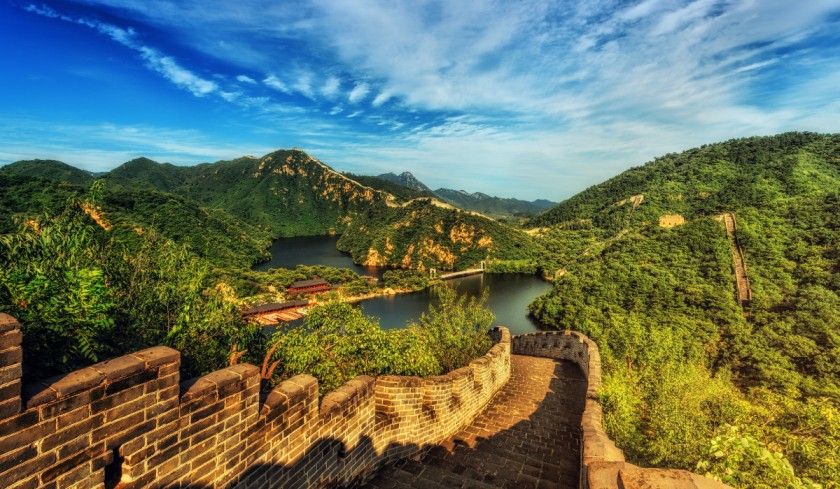
The Great Wall of China is not just a wall — it’s a living symbol of human determination, architectural brilliance, and centuries of Chinese history. Stretching across mountains, deserts, and grasslands, the Great Wall is one of the most remarkable man-made structures ever built.
Whether you’re a history lover or a curious traveler, here are some of the most amazing facts about the Great Wall of China that will leave you in awe.
Here are the Fascinating Facts About the Great Wall of China:
1. The Great Wall Is Over 13,000 Miles Long
One of the most mind-blowing facts is its length. The Great Wall of China stretches for more than 21,000 kilometers (13,000 miles) across northern China. It’s not a single continuous wall but a series of fortifications built, rebuilt, and connected over centuries.
2. It Took Over 2,000 Years to Build
Construction began as early as the 7th century BCE during the Warring States period. Various dynasties contributed to its expansion, with the Qin, Han, and Ming Dynasties being the most significant builders. The Ming Dynasty (1368–1644) completed much of the wall that still stands today.
3. Built for Defense — Not Decoration
The primary purpose of the Great Wall was military defense. It was built to protect China from northern invasions, particularly by Mongol and nomadic tribes. Watchtowers, fortresses, and beacon towers were added to strengthen its military utility.
4. It’s Made from a Variety of Materials
Depending on the region, the wall was constructed using locally available materials. In the mountains, stone and granite were used; in the deserts, tamped earth, reeds, and wood were the main materials. The diversity of materials reflects the adaptability and ingenuity of ancient engineers.
5. It Can’t Be Seen from Space with the Naked Eye
A common myth says the Great Wall is visible from the Moon or outer space — but that’s not true. Astronauts have confirmed that it’s very difficult to see the Wall from space without aid, due to its narrow width and the natural color blending with the surroundings.
6. Millions of Workers Built It — Often in Harsh Conditions
Historians estimate that over one million laborers worked on the Great Wall, including soldiers, peasants, and prisoners. Many lost their lives during construction due to extreme weather, exhaustion, and accidents — earning it the nickname “the longest cemetery on Earth.”
7. The Wall Includes More Than Just Brickwork
The Great Wall isn’t just a long brick barrier. It’s a complex system of walls, trenches, watchtowers, and fortresses. Some sections even included barracks, garrison stations, and passages for troops and supplies.
8. It Played a Role in Communication
The ancient Chinese developed an early warning system using the Wall. Soldiers used smoke signals, flags, and fire beacons to communicate attacks and movements over vast distances — a remarkable example of early long-distance communication.
9. Erosion Has Damaged Many Sections
Despite being a global icon, about 30% of the Great Wall has disappeared due to natural erosion, vandalism, and lack of maintenance. Conservation efforts are ongoing to preserve the remaining sections for future generations.
10. The Wall Passes Through 9 Provinces
The Great Wall snakes across nine provinces and municipalities, including Beijing, Hebei, Shanxi, Inner Mongolia, and Gansu. Each section offers a different landscape, from lush green hills to arid deserts.
11. It’s a UNESCO World Heritage Site
In 1987, the Great Wall of China was designated a UNESCO World Heritage Site, recognizing its historical significance and cultural importance to humanity.
12. Tourists Can Visit Several Famous Sections
The most popular and well-preserved sections are near Beijing, including Badaling, Mutianyu, and Jinshanling. These areas attract millions of tourists annually, offering hiking trails and panoramic views.
13. Legends Surround Its Construction
One of the most famous tales is that of Meng Jiangnü, a woman whose husband died while working on the Wall. Her tears, legend says, caused a section of the Wall to collapse. It’s a story of love, loss, and resilience deeply rooted in Chinese folklore.
14. The Wall Was Also an Economic and Cultural Barrier
While primarily defensive, the Great Wall also served as a customs and trade boundary, controlling goods and people traveling along the Silk Road. It symbolized both protection and separation.
15. Its Name Has Changed Over Time
The Great Wall was historically known as the “Long Wall” (Changcheng). The name “Great Wall” became popular after Western explorers visited China and described its impressive scale.
16. The Wall Inspired Countless Works of Art and Film
From Chinese poetry to global cinema, the Great Wall has been featured in countless cultural works. It stands as a metaphor for perseverance, unity, and the strength of human will.
17. Parts of the Wall Have Been Rebuilt for Preservation
To maintain its legacy, several sections have been restored and reinforced. These preservation projects help protect the Wall from further damage while allowing visitors to experience its grandeur safely.
18. It’s One of the Seven Wonders of the Medieval World
The Great Wall of China is officially listed among the Seven Wonders of the Medieval World, a recognition that places it alongside iconic monuments like the Colosseum and Machu Picchu.
19. It’s a Symbol of Chinese Identity and Unity
Beyond its physical structure, the Wall represents the strength and unity of the Chinese civilization. It’s a national symbol of pride, perseverance, and cultural heritage that continues to inspire people around the world.
20. You Can Walk on It — But Only Certain Parts
While it’s tempting to imagine walking across the entire Wall, only select sections are open to the public. The rest remain protected or are too fragile to access safely.
Conclusion: More Than Just a Wall
The Great Wall of China is a timeless reminder of what humanity can achieve through persistence, innovation, and purpose. From its ancient origins to its modern symbolism, it continues to captivate the imagination of millions.
Whether you’re exploring its scenic stretches near Beijing or studying its historical impact, one thing remains clear — the Great Wall is truly one of the greatest accomplishments in human history.
Visit The Insight Vision For More Informative Articles