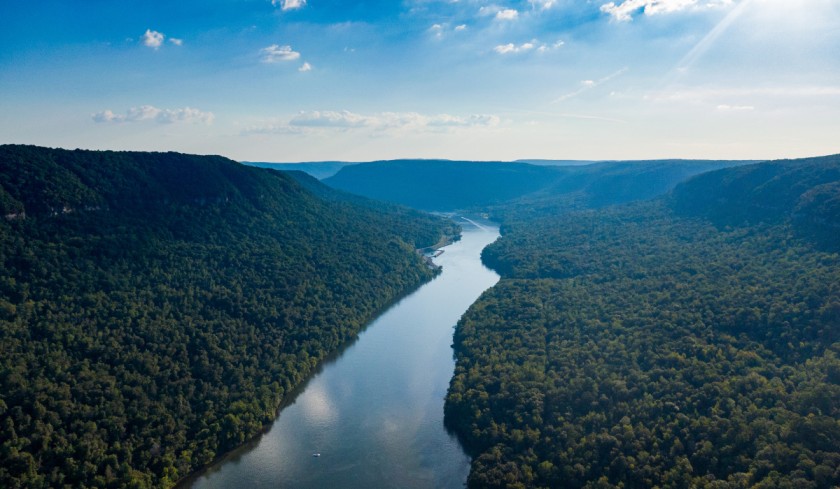
Rivers are nature’s lifelines. They bring water to dry lands, support countless animals, and give life to cities and farms across the world. Among them, a few stand out — not just for their beauty, but for their unbelievable size and importance.
In this guide, we’ll explore the longest and largest rivers in the world, understand what makes them special, and see how they shape life on Earth.
What Do “Longest” and “Largest” Mean?
Before we dive in, let’s clear up the difference between the longest and largest rivers.
- Longest river means the river that travels the greatest distance from its source to where it ends (called the mouth).
- Largest river usually refers to how much water it carries (called discharge) or how big its drainage area is — the land it collects water from.
So, a river can be the longest without being the biggest by volume. For example, the Nile is the longest, but the Amazon is the largest.
The 10 Longest and Largest Rivers in the World
Let’s travel across continents and explore these natural wonders.
1. The Nile River – Africa’s Lifeline
- Length: ~6,650 km
- Location: Flows through Egypt, Sudan, Uganda, and more
The Nile has been the heart of Egyptian civilization for thousands of years. Flowing north into the Mediterranean Sea, it brings life to otherwise dry regions. Without it, much of Egypt would be desert.
Today, it still supports over 300 million people with water for farming, drinking, and daily living. When you see pictures of lush green lands beside golden sands — that’s the magic of the Nile!
2. The Amazon River – Earth’s Water King
- Length: ~6,400 km
- Location: South America (mainly Brazil, Peru, Colombia)
While it’s slightly shorter than the Nile, the Amazon is the world’s largest river in terms of water volume. It carries more water than the next seven biggest rivers combined!
It flows through the dense Amazon rainforest, home to millions of species — many found nowhere else. The river is so powerful that it changes the color of the Atlantic Ocean where it meets it. The Amazon truly is the heartbeat of South America and one of the planet’s greatest treasures.
3. The Yangtze River – China’s Powerhouse
- Length: ~6,300 km
- Location: China
The Yangtze is Asia’s longest river and one of the most important in the world. Flowing entirely through China, it begins in the Tibetan Plateau and empties into the East China Sea.
Along its journey, it supports hundreds of millions of people, powers cities, and fuels industries. The world-famous Three Gorges Dam, one of the largest hydroelectric power plants ever built, sits on the Yangtze.
4. The Mississippi–Missouri River System – America’s Backbone
- Length: ~6,270 km (combined)
- Location: United States
Together, the Mississippi and Missouri rivers form North America’s longest river system. Flowing through the central United States, they connect over 30 states and have been essential for trade, transport, and agriculture.
Mark Twain’s stories about life along the Mississippi made this river world-famous — and even today, it remains one of America’s most important waterways.
5. The Yenisei River – Siberia’s Silent Giant
- Length: ~5,540 km
- Location: Russia and Mongolia
The Yenisei River flows through the heart of Siberia and empties into the Arctic Ocean. Surrounded by forests, tundra, and snow, it’s one of the coldest and most remote river systems on Earth.
Despite the harsh climate, it supports unique wildlife and supplies hydroelectric power to parts of Russia. Its vast, untouched beauty makes it one of the most fascinating rivers in the world.
6. The Yellow River (Huang He) – The Cradle of Chinese Civilization
- Length: ~5,464 km
- Location: China
Known as the “Mother River of China,” the Yellow River has nurtured Chinese civilization for thousands of years. Its fertile plains supported some of the earliest human settlements.
However, it’s also known as “China’s Sorrow” because of its history of devastating floods. Still, it remains a symbol of resilience and progress for the Chinese people.
7. The Ob–Irtysh River System – Siberia’s Water Highway
- Length: ~5,410 km
- Location: Russia, Kazakhstan, China
Another of Siberia’s massive rivers, the Ob–Irtysh system flows through frozen landscapes and into the Arctic Ocean. It’s vital for transporting goods and for energy production in northern Russia.
Though it passes through remote areas, it plays a major role in connecting distant regions of Asia.
8. The Congo River – Africa’s Deep Mystery
- Length: ~4,700 km
- Location: Central Africa
The Congo River is not only Africa’s second-longest river but also the deepest river in the world, reaching depths over 200 meters (650 feet).
It winds through rainforests and serves as a lifeline for millions of people in central Africa. Its rapids and waterfalls, including the famous Inga Falls, make it a natural wonder and a challenge for explorers.
9. The Amur River – Border of Nations
- Length: ~4,444 km
- Location: Russia and China
The Amur River marks the border between Russia and China for much of its length. It’s one of the few rivers in the world that flows eastward into the Pacific Ocean.
It supports diverse wildlife — including the endangered Amur leopard and Siberian tiger — making it ecologically significant as well as geographically impressive.
10. The Lena River – The Frozen Beauty
- Length: ~4,400 km
- Location: Russia
Flowing through the icy lands of eastern Siberia, the Lena River is one of the world’s great Arctic rivers. In summer, it thaws and bursts into life, creating vast deltas full of birds and wildlife.
Its untouched beauty and dramatic seasonal changes make it one of Earth’s most mysterious and magnificent rivers.
Why These Rivers Are So Important
These longest and largest rivers in the world are more than just long stretches of water. They are the arteries of our planet. Here’s why they matter so much:
- They support life: Millions of people depend on them for drinking water, farming, and food.
- They create fertile lands: Floods may seem destructive, but they also deposit rich soil, helping crops grow.
- They connect countries: Rivers often flow across borders, promoting trade and cultural exchange.
- They power our homes: Many large rivers are used to generate hydroelectric energy.
- They’re homes for wildlife: Countless fish, birds, and animals depend on these rivers for survival.
From Africa’s deserts to Asia’s forests, rivers bring life everywhere they flow.
Challenges Facing the World’s Great Rivers
Sadly, many of these rivers are in danger because of human activity and climate change. Here are some of the biggest challenges they face:
- Pollution: Industrial waste and plastic are choking many river systems.
- Dams and overuse: Dams change natural water flow and affect fish migration.
- Climate change: Rising temperatures are melting glaciers — the sources of many great rivers — faster than ever.
- Deforestation: Without trees, soil erodes faster, making rivers shallower and dirtier.
- Urbanization: Expanding cities increase pollution and reduce river space.
Protecting these rivers isn’t just about nature — it’s about protecting the future of humanity itself.
Exploring the World’s Longest and Largest Rivers
If you ever dream of adventure, exploring these rivers should be on your bucket list!
- Sail the Nile in Egypt to see ancient temples and golden deserts.
- Cruise the Amazon, where you’ll spot rare wildlife and dense jungles.
- Take a Yangtze River tour to see both modern cities and misty mountain gorges.
- Visit the Mississippi, where music, food, and culture flow as freely as the river itself.
Each river tells a story — of people, history, and nature all intertwined.
Final Thoughts
The longest and largest rivers in the world are powerful reminders of nature’s greatness. They’ve shaped civilizations, powered nations, and inspired explorers for centuries.
From the mighty Nile to the vast Amazon, from the icy Lena to the roaring Congo — each river has its own magic.
As we move into the future, protecting these rivers should be a shared global goal. Because when rivers thrive, life thrives.
Visit The The Insight Vision Magazine For More Such Informative Articles